In short
- Microbes and decaying organic matter create the odor.
- The lake is a terminal basin with no water outlets.
- Wind direction controls where the scent travels.
In this article
The Great Salt Lake smell is famous across the region. Understanding the ecology behind the odor helps you know what to expect when visiting the beaches and state parks.
What causes the Great Salt Lake smell?
The smell comes from decaying brine shrimp, brine flies, and microbes in the water.
The lake supports massive populations of brine shrimp and brine flies. When these organisms die, they sink and decay. Microbes break down this organic matter, releasing hydrogen sulfide gas. This gas produces the distinct sulfur or rotten egg scent.
Why does the smell stay concentrated in the lake?
The Great Salt Lake is a terminal basin, meaning water flows in but never flows out.
Because there are no outlets, minerals and organic matter build up over time. Water only leaves through evaporation. This process leaves the decaying matter and salt behind. The biological processes stay concentrated in the shallow water and exposed mud.

Does the whole lake smell bad?
No, the intensity of the smell depends heavily on wind direction and water levels.
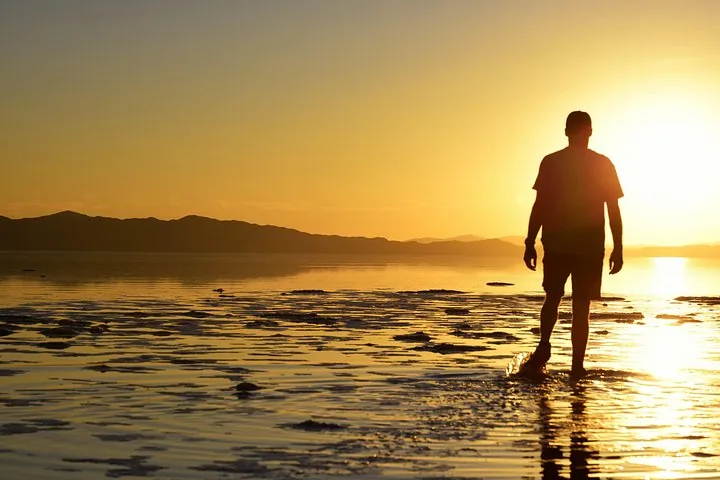
The odor is usually strongest near the shallow margins and exposed lakebeds. For example, the receding waterline near Silver Sands Beach exposes sticky, smelly mud. When the wind shifts, it can blow the scent into Salt Lake City or push it away completely.
Is the smelly water toxic?
The water is highly saline but naturally safe.
The odor is a natural byproduct of a healthy, hyper-saline ecosystem. Salinity ranges from 5% to 27%. Millions of migratory birds rely on the brine shrimp and flies that cause the smell.

Where is the smell the strongest?
The smell is often strongest at the shallow southern shores.
Places like Silver Sands Beach near Great Salt Lake State Park often have a stronger scent. Receding lake levels mean visitors must walk across exposed mud to reach the water. Antelope Island's Bridger Bay Beach also has an odor, but the water there is better for floating.
How can I avoid the lake stink during my visit?
Visit during cooler months or explore higher elevations.
Temperatures influence the smell. Warmer water increases microbial activity. Visiting during cooler months like April, May, September, and October reduces the smell. A guided tour helps navigate away from smelly shorelines to scenic viewpoints.

Questions travellers ask
Can you swim in the lake despite the smell?
Yes, you can easily float in the hyper-saline water. Bridger Bay Beach is the most popular spot. It offers coin-operated showers to rinse off the salt residue after you swim.
Does The Great Saltair venue smell?
The exterior of The Great Saltair is located near the southern shore where the scent is often noticeable. The strength depends entirely on the wind that day.
Are there dead fish causing the smell?
No. The lake contains no fish. The decaying matter consists solely of brine shrimp, brine flies, and organic algae.